que es basura organica e inorganica ejemplos Qué es la basura orgánica y ejemplos
As we all know, responsible waste management is a crucial aspect of preserving our environment for future generations. One of the most important types of waste is organic waste, which comes from the remains of plants and animals. Organic waste is biodegradable, which means it can be broken down into smaller pieces by microorganisms in nature. This makes it an excellent source of natural fertilizer, which can be used to improve soil quality and help plants grow. There are many different types of organic waste, including food waste, yard waste, and agricultural waste. Food waste is one of the most common types of organic waste, and it includes everything from uneaten food to food scraps and leftovers. Yard waste, on the other hand, comes from plants like grass, leaves, and tree branches. Finally, agricultural waste comes from the remains of crops that were not harvested or were damaged during the harvesting process. It’s important to properly dispose of organic waste in order to help reduce greenhouse gas emissions and prevent pollution. When organic waste is left to decompose in landfills, it can produce methane gas, which is a potent greenhouse gas that contributes to climate change. However, when organic waste is composted properly, it can help reduce greenhouse gas emissions and provide a valuable source of natural fertilizer. To properly dispose of organic waste, there are a few things you can do. First, consider composting your food and yard waste at home. This is a simple process that involves placing the organic waste in a compost bin and letting it decompose over time. You can also purchase composting kits to make the process even easier. If you don’t have the space or the desire to compost at home, many cities and towns offer organic waste collection services. These services typically involve placing your organic waste in a separate bin, which is then collected and taken to a facility where it can be composted properly. In addition to reducing greenhouse gas emissions and preventing pollution, properly disposing of organic waste can also help save money. When organic waste is composted, it can be used as a natural fertilizer, which means that farmers and gardeners can reduce their reliance on expensive chemicals and fertilizers. In conclusion, organic waste is an important type of waste that should be disposed of properly in order to help preserve our environment and reduce greenhouse gas emissions. Whether you choose to compost at home or use a collection service, remember that every little bit helps in the fight against climate change.
If you are searching about Qué es Basura orgánica Características Importancia Ejemplos you’ve came to the right web. We have 5 Images about Qué es Basura orgánica Características Importancia Ejemplos like BASURA ORGÁNICA E INORGÁNICA:¿Cuáles son? Diferencias y ejemplos, Qué es la basura orgánica y ejemplos - Resumen and also Qué es la basura orgánica y ejemplos - Resumen. Read more:
Qué Es Basura Orgánica Características Importancia Ejemplos
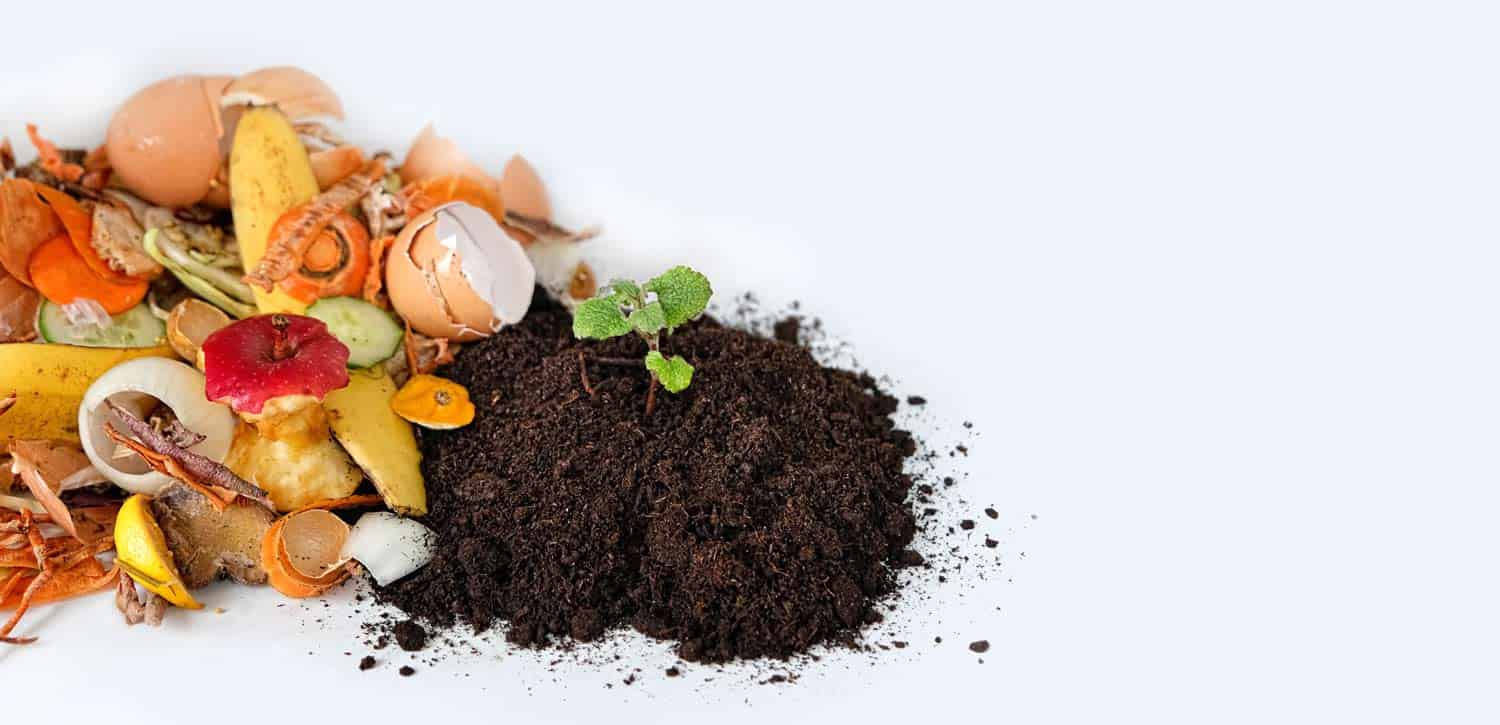 quees.mobiQué Es La Basura Orgánica Y Ejemplos - Resumen
 www.ecologiaverde.comBASURA ORGÁNICA E INORGÁNICA:¿Cuáles Son? Diferencias Y Ejemplos
 infinitanaturaleza.comLAS BASURAS: LAS BASURAS
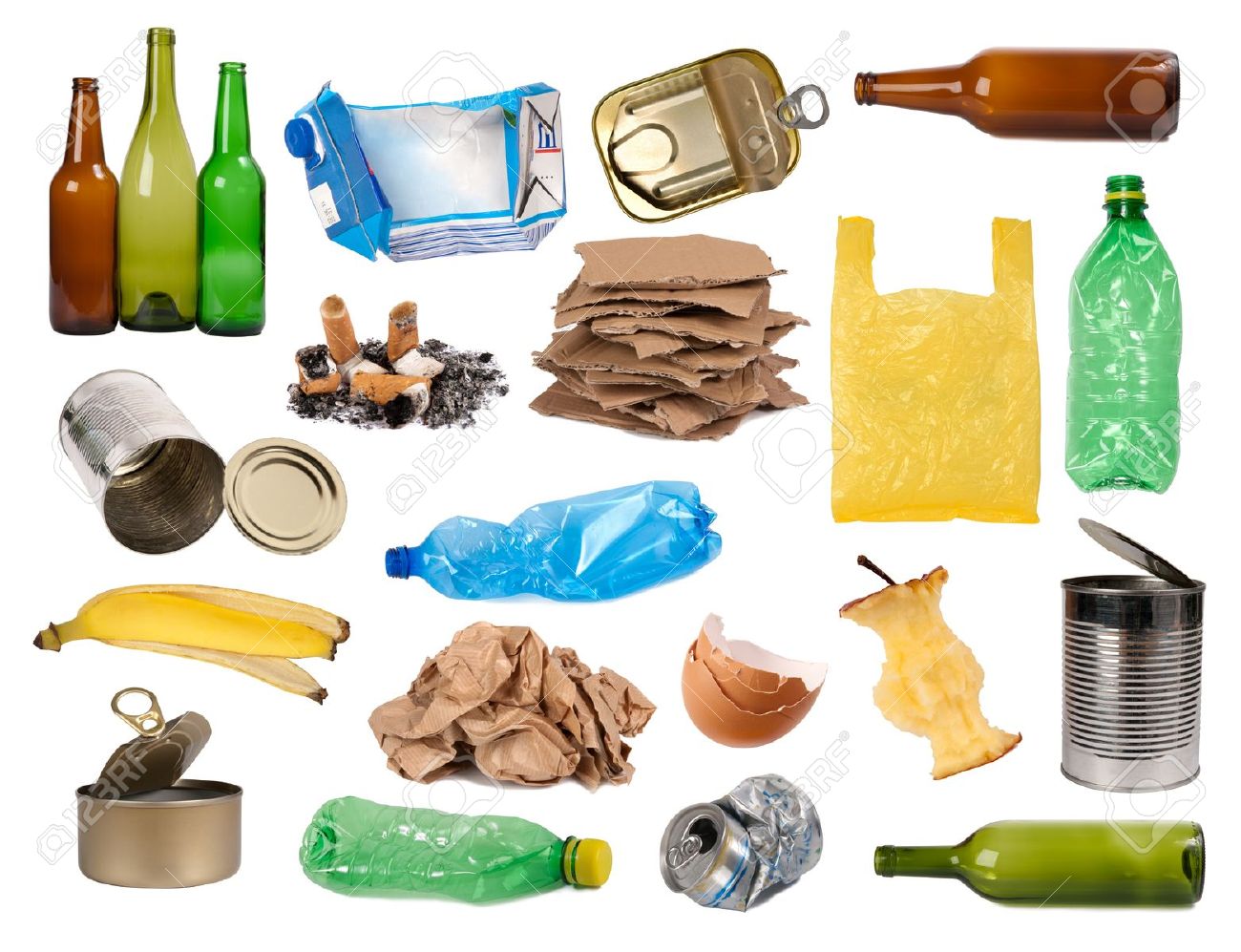 lasbasurasjcc.blogspot.combasuras desechos vidrio
Basura Orgánica: Qué Es, Ejemplos De Residuos Orgánicos | Ecología Hoy
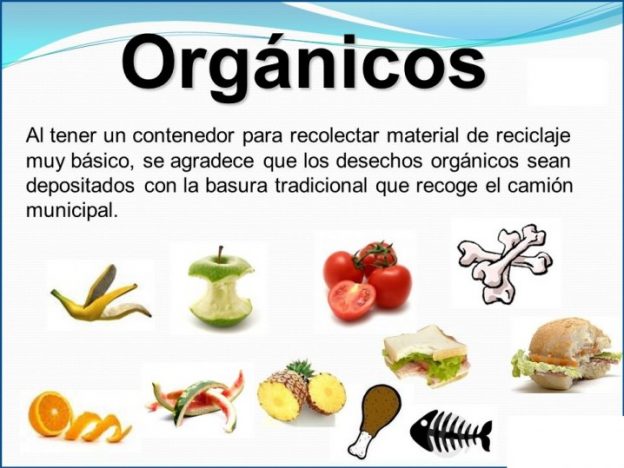 ecologiahoy.netBasura orgánica: qué es, ejemplos de residuos orgánicos. Basura orgánica e inorgánica:¿cuáles son? diferencias y ejemplos. Qué es la basura orgánica y ejemplos