why does my cat's litter smell like ammonia Urine ammonia absorption peeing pee litter strongly odor nokout
Possible post: Why does my pet’s urine or breath smell like ammonia? Do you sometimes notice a strong ammonia scent in your cat’s litter box or your dog’s pee or poop? This odor can be unpleasant and concerning, especially if it seems more intense than usual. While various factors could contribute to this smell, ranging from diet and hydration to medical conditions, let’s explore some common causes and what you can do about them. First of all, what is ammonia and why does it smell so strong? Ammonia is a colorless gas composed of nitrogen and hydrogen, often used in cleaning products, fertilizers, and industrial processes. Ammonia is also a waste product formed in the body when proteins and amino acids break down, particularly in the liver and kidneys. Normally, the body can rid itself of ammonia through urine or sweat, but when the concentration is too high, it can cause an odor that is not only pungent but also irritating to the eyes, nose, and respiratory system. So, why might your pet’s urine or breath contain more ammonia than usual? Here are some possible reasons: - Dehydration: When your pet doesn’t drink enough water, their urine becomes more concentrated, which means more ammonia and less water to dilute it. Similarly, if your pet’s breath smells like ammonia, it could indicate dry mouth or lack of saliva, which normally helps wash away bacteria and food particles that can lead to bad breath. - Diet: Some pet foods contain high amounts of protein or certain amino acids that can increase the production of ammonia in the body. This is more likely in foods that rely heavily on meat or animal by-products. Additionally, if your pet eats too much or too little, it can affect their metabolism and waste elimination. - Infection: Urinary tract infections are common in cats and dogs and can cause increased urination, straining, and foul-smelling urine. If left untreated, the infection can spread to the kidneys and cause more serious health issues. Likewise, dental infections or gum disease can lead to bad breath and potentially affect your pet’s overall health. - Kidney or liver disease: These organs are responsible for filtering and processing waste, including ammonia. If they are not functioning properly or damaged, ammonia can build up in the body, leading to a distinctive odor. Other symptoms of kidney or liver disease may include lethargy, vomiting, diarrhea, and weight loss. - Medications or supplements: Some drugs, such as antibiotics and diuretics, can affect your pet’s urine or saliva odor, as can certain nutritional supplements or herbal remedies. If you suspect a medication could be causing the smell, talk to your veterinarian about alternative options or dosage adjustments. Now that we’ve covered some potential causes of ammonia-like smells in pets, let’s focus on what you can do to address them: - Hydration: Make sure your pet has access to fresh water at all times, and encourage them to drink more if they seem to be slacking off. You can also add water to their food or offer wet food instead of dry kibble, which contains more moisture. - Diet: Consider switching to a high-quality pet food that balances protein, carbohydrates, and fat. Look for brands that specify the source and quality of their ingredients, and avoid those with fillers, artificial flavors, or preservatives. If your pet has a medical condition that requires a special diet, consult your veterinarian. - Veterinary care: If you suspect that a health issue is causing the ammonia smell in your pet, schedule a check-up with your vet. They may recommend tests or treatments to diagnose and manage the condition, such as antibiotics, dental cleaning, or a specialized diet. - Training and cleanup: If your pet has accidents in the house or outside the litter box, make sure you clean them thoroughly with enzymatic cleaners that break down urine and fecal odors. Consider using puppy pads or litter boxes with high sides or covered designs, and reward your pet for using them. If your pet is marking territory or exhibiting other behavioral issues, seek guidance from a certified animal behaviorist. Remember, while ammonia smell in your pet’s urine or breath may be common, it’s not normal. By identifying and addressing the underlying causes, you can help your furry friend stay healthy, happy, and odor-free.
If you are looking for Why is there ammonia smell coming from my cat’s litter box? - Quora you’ve came to the right web. We have 5 Pictures about Why is there ammonia smell coming from my cat’s litter box? - Quora like Why Does My Dog’s Breath, Pee, or Poop Smell Like Ammonia? - PetDT, Why is there ammonia smell coming from my cat’s litter box? - Quora and also The Cat’s Litter Smells like Ammonia - What to Do? - Litter-Boxes.com. Read more:
Why Is There Ammonia Smell Coming From My Cat’s Litter Box? - Quora
www.quora.comammonia why smell litter cat coming box there cats
Why Does My Dog Smell Like Ammonia? (Breath, Pee, Or Poop)
 doggysaurus.comammonia poop pee smells
Why Does My Cat’s Urine Smell Strongly Of Ammonia?
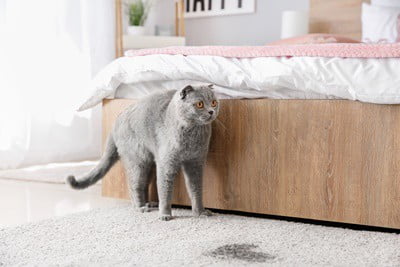 www.seniorcatwellness.comurine ammonia absorption peeing pee litter strongly odor nokout
Why Does My Dog’s Breath, Pee, Or Poop Smell Like Ammonia? - PetDT
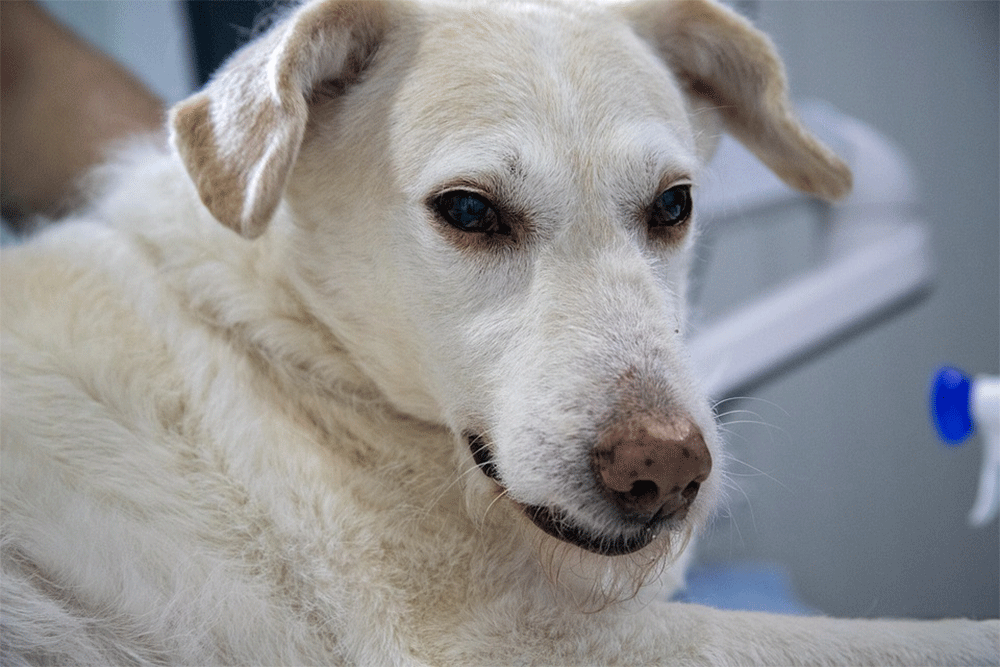 petdt.comammonia poop
The Cat’s Litter Smells Like Ammonia - What To Do? - Litter-Boxes.com
 litter-boxes.comammonia litter smells smell
Why is there ammonia smell coming from my cat’s litter box?. Ammonia poop pee smells. Ammonia poop